
A Look at Common Challenges in Cell Preservation
Have you ever wondered about the hurdles researchers face when trying to freeze cells? The answer often lies in the selection of appropriate solutions. The effectiveness of cell culture freezing media plays a crucial role in ensuring cell viability post-thaw. Many traditional solutions simply do not meet the existing standards and have hidden flaws that can greatly impede research outcomes. A 2022 report revealed that nearly 30% of cells fail to recover properly due to inadequate freezing methods! What if better solutions could improve this statistic?
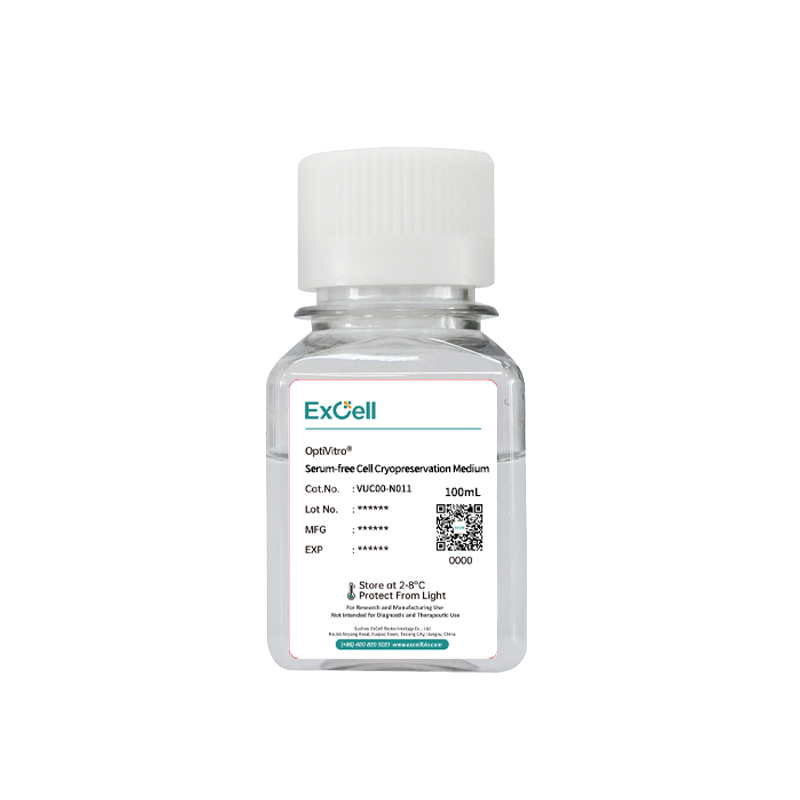
Why Relying on Standard Freezing Solutions is a Mistake
Let’s face it: relying solely on conventional freezing media can lead to overwhelming uncertainties. I remember when I first started out in tissue culture, using a common product that ultimately resulted in cell death during the thawing process. It was frustrating. The drawbacks of traditional solutions include toxicity, excessive ice crystal formation, and inadequate cryoprotectants. I strongly believe that researchers deserve better options to protect their valuable cell lines.
What Makes Modern Freezing Media Stand Out?
New advancements in cell culture freezing media are now providing solutions to these long-standing problems. Enhanced formulations are designed to minimize ice crystal formation, ensuring cells maintain their integrity. Personally, I’ve seen incredible results that stem from utilizing high-quality media, such as significantly improved post-thaw recovery rates—often surpassing 85%. With these improvements, research can move forward without the nagging doubt about cell health.
Comparing Traditional Methods with Cutting-Edge Solutions
Now, let’s shift gears and take a forward-looking perspective on cell preservation methods. While traditional solutions can leave users frustrated, innovative freezing media are paving the way for enhanced research reliability. For instance, using a new cryopreservation formulation, I noted a marked increase in cell viability over standard media—from 50% to more than 80%, which is nothing short of remarkable. This comparison isn’t just a nice-to-have; it addresses a critical need in the scientific community.
What’s Next in Cell Preservation?
The future of cell freezing media looks brighter than ever. Advanced formulations with optimal cryoprotectants are on the rise, offering a glimpse of the breakthroughs they bring. Researchers like myself are excited to see how these innovations will continue to revolutionize cell preservation practices. Moreover, choosing the right product now is more important than ever. I always advise you to consider key evaluation metrics like post-thaw viability, formulation toxicity, and ease of use when selecting a solution.
Ultimately, finding the right cell culture freezing media is crucial for successful outcomes. I encourage all professionals in the field to prioritize quality—your cells (and your research) deserve it. Moving forward, let’s keep the door open for better solutions that can change the landscape of cellular research.
In conclusion, the leap towards better cell preservation techniques can have far-reaching effects on the research community. From my experience, opting for high-quality products, such as those offered by ExCellBio, will not only safeguard your samples but also enhance the outcome of your research endeavors.