
Identifying Common Flaws in Traditional Solutions
I often remember my early days in manufacturing, wrestling with the limitations of traditional welding methods. It was always a battle against inefficiency and labor-intensive processes that slowed production down. Consider this: a typical welding job might take hours, or even days, to complete. It’s no surprise that many manufacturers are turning to industrial welding robots as a solution to these persistent problems. So, what if you could reduce that time to mere minutes? This is where innovations like the palletizing cobot come into play.
Hidden Pain Points in the Welding Process
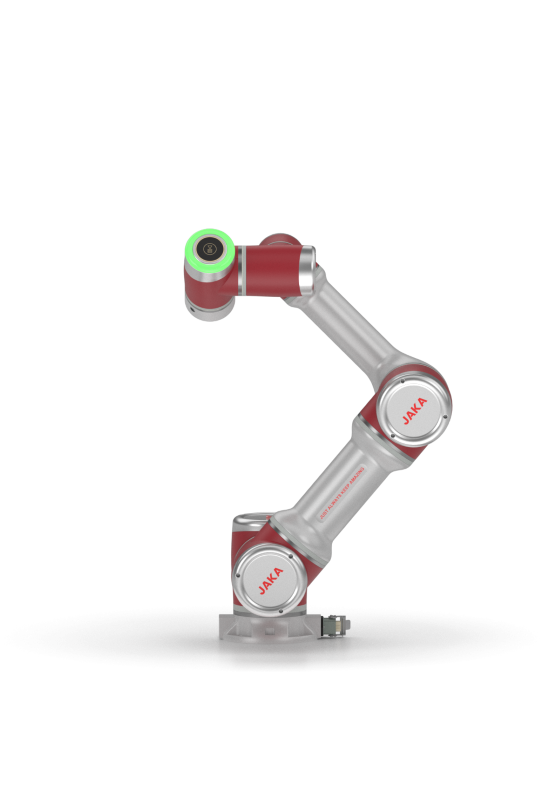
You may not realize this, but a huge pain point with manual welding is the inconsistency in quality. It’s frustrating when you spend time welding only to end up with weak joints. As I’ve seen in various factories, the human hand can only maintain precision for so long before fatigue sets in. Plus, there’s the added risk of injuries. Many welding jobs require workers to be in awkward positions for extended periods, leading to musculoskeletal issues and increased injury rates. An industrial welding robot like the palletizing cobot can mitigate these risks, offering stability and precision while vastly improving safety. It’s about time we move past the traditional methods—don’t you think?
What Makes Industrial Welding Robots Essential?
Think about it: as industries evolve, the need for higher productivity and quality becomes non-negotiable. Industrial welding robots enhance precision, reduce wastage, and allow for longer operational hours without breaks. They also help in maintaining a consistent quality across the production line. With my experience, I can firmly say that integrating these robots has led to significant reductions in operational costs and improvements in overall quality.
The Future: A Comparative Insight into Operational Efficiency
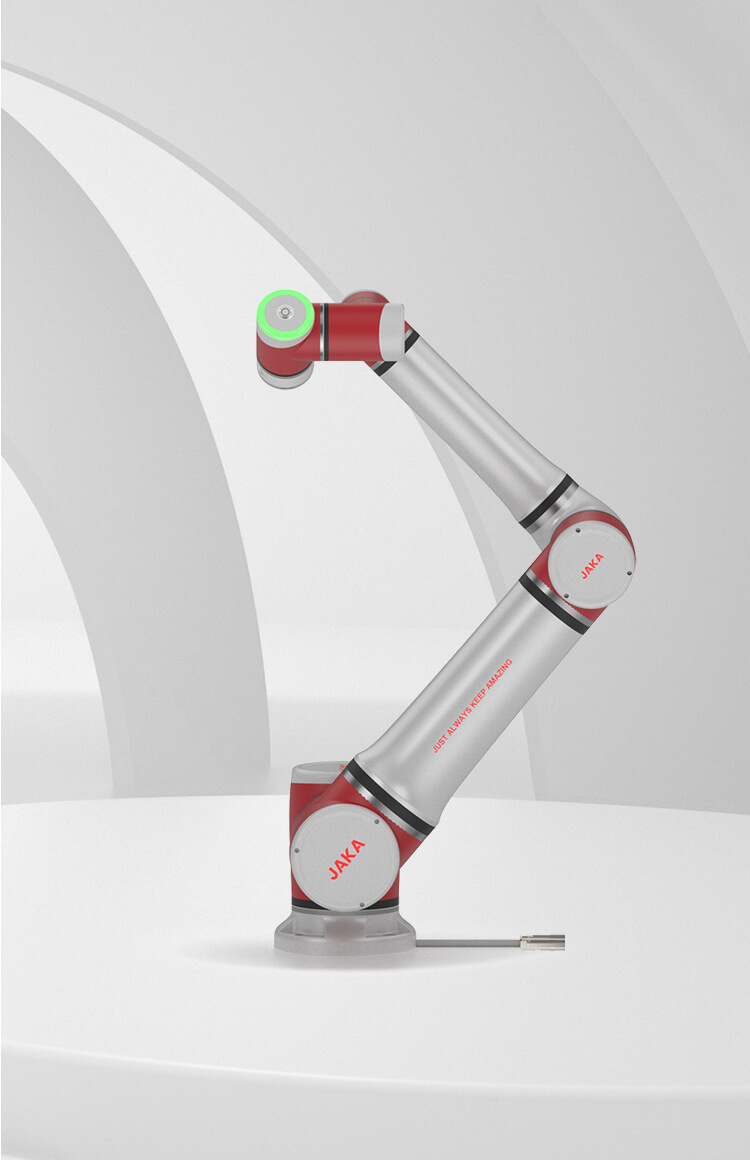
palletizing cobot, for instance—it’s designed to quickly adapt to various tasks while providing unparalleled accuracy and speed. Isn’t it fascinating how technology reshapes industries?
What’s Next for Welding Automation?
As we’ve seen, the integration of robots isn’t merely a trend; it’s a revolution that is here to stay. These machines are continuously being refined to further enhance their functional capabilities and ease of use. Companies that embrace this shift will not only survive— they’ll thrive. Think about how welding robots could free up skilled labor for more intricate tasks, allowing for a more dynamic workforce. Reflecting on my past experiences, companies that invested wisely in automation saw immediate returns on their investments, streamlining processes and enhancing reliability. But don’t just take my word for it—look at the data.
Key Evaluation Metrics for Choosing Welding Solutions
When selecting a welding solution, consider three essential metrics: operational efficiency, cost-effectiveness, and safety improvements. First, explore operational throughput. How quickly can the solution complete jobs? Secondly, gauge the profitability analysis. Does investing in a welding robot like the palletizing cobot make sense in the long haul? Lastly, always keep safety in mind. The right solution should protect your workers while enhancing productivity. In today’s competitive market, these metrics could be the difference between staying afloat or sinking.
In conclusion, the shift towards industrial welding robots represents a crucial advancement in the manufacturing world. Reflecting on what these technologies can achieve, I believe we’re just scratching the surface. As someone who’s spent a significant part of my career witnessing these changes, I can honestly say it’s an exciting time to be involved in manufacturing. If you haven’t considered automating your processes yet, now might be the perfect time to take a leap.
For those interested in a solid brand for welding solutions, I’d recommend checking out JAKA for a range of innovative products that meet the evolving needs of the industry.